Summer Home Maintenance: What Homeowners Should Watch For
Summer in Maryland brings us long days, high humidity, thunderstorms, and heavy use of cooling systems. While many homeowners are focusing on vacations and outdoor activities, it's also one of the best times to check for developing issues around the home. Small problems discovered during the summer can often be addressed before they become expensive repairs later in the year.
Why Summer Maintenance Matters
Maryland's climate creates unique challenges for homes. The increase of heat, moisture, and sudden storms can all take a toll on roofing materials, siding, foundations, and HVAC systems. Regular inspections and maintenance can help homeowners identify concerns early and protect their investment.
Keep an Eye on Your Air Conditioning System
Few things are more frustrating than losing air conditioning during a Maryland heat wave. Unfortunately, I know first hand the challenges of an air conditioning system failing unexpectedly and the scramble to find portable units while waiting for repairs. Summer is when HVAC systems work the hardest, making it the ideal time to monitor their performance.
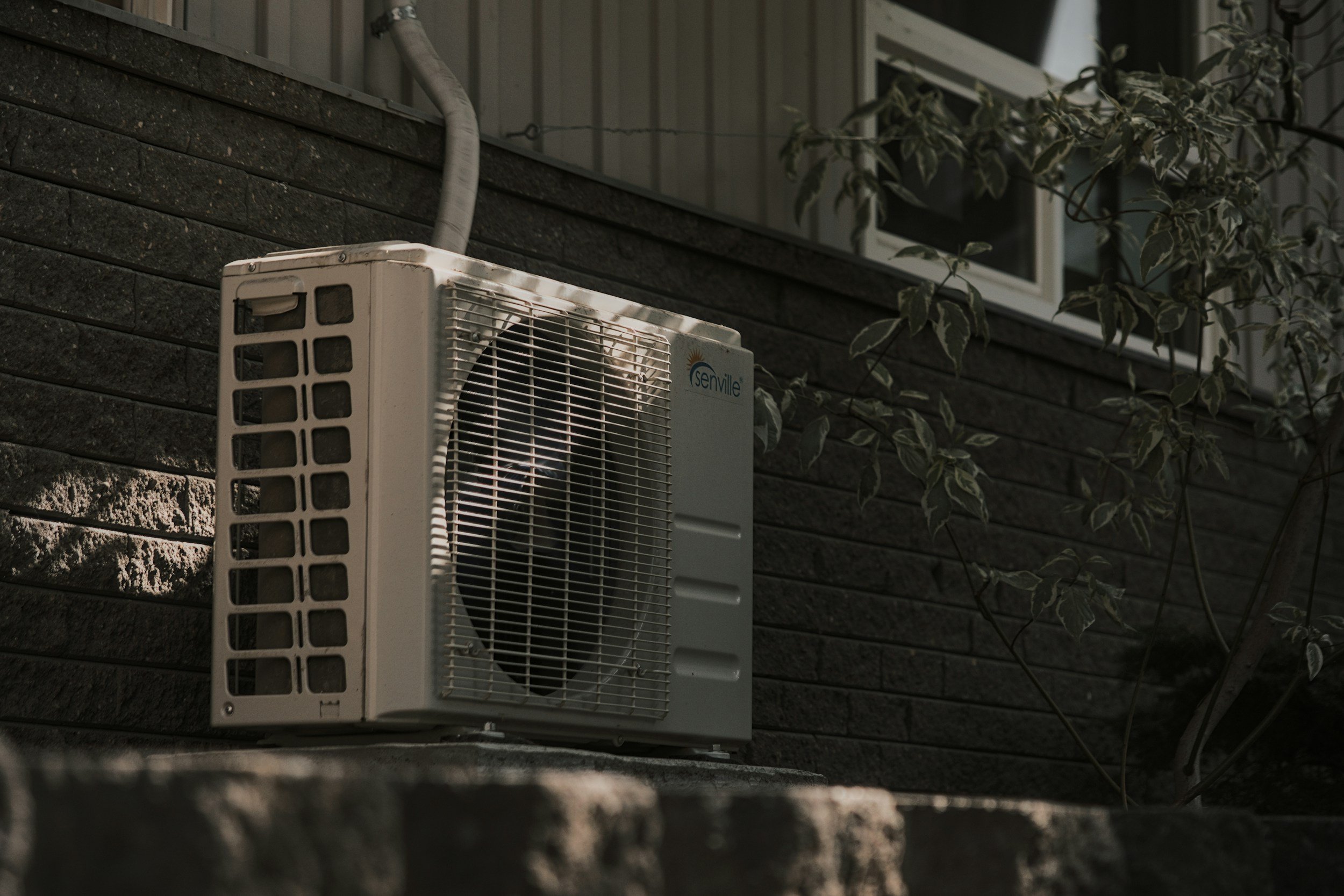
Signs your system may need attention include:
Uneven cooling throughout the home
Unusual noises during operation
Increased energy bills
Excess moisture around the indoor unit
Weak airflow from supply registers
Routine servicing can help improve efficiency and extend the life of the system.
Gutters and Downspouts
Summer thunderstorms and heavy rainstorms can dump large amounts of water in a short period of time. Gutters and downspouts play a critical role in directing that water away from the home and helping to protect the foundation from excess moisture.
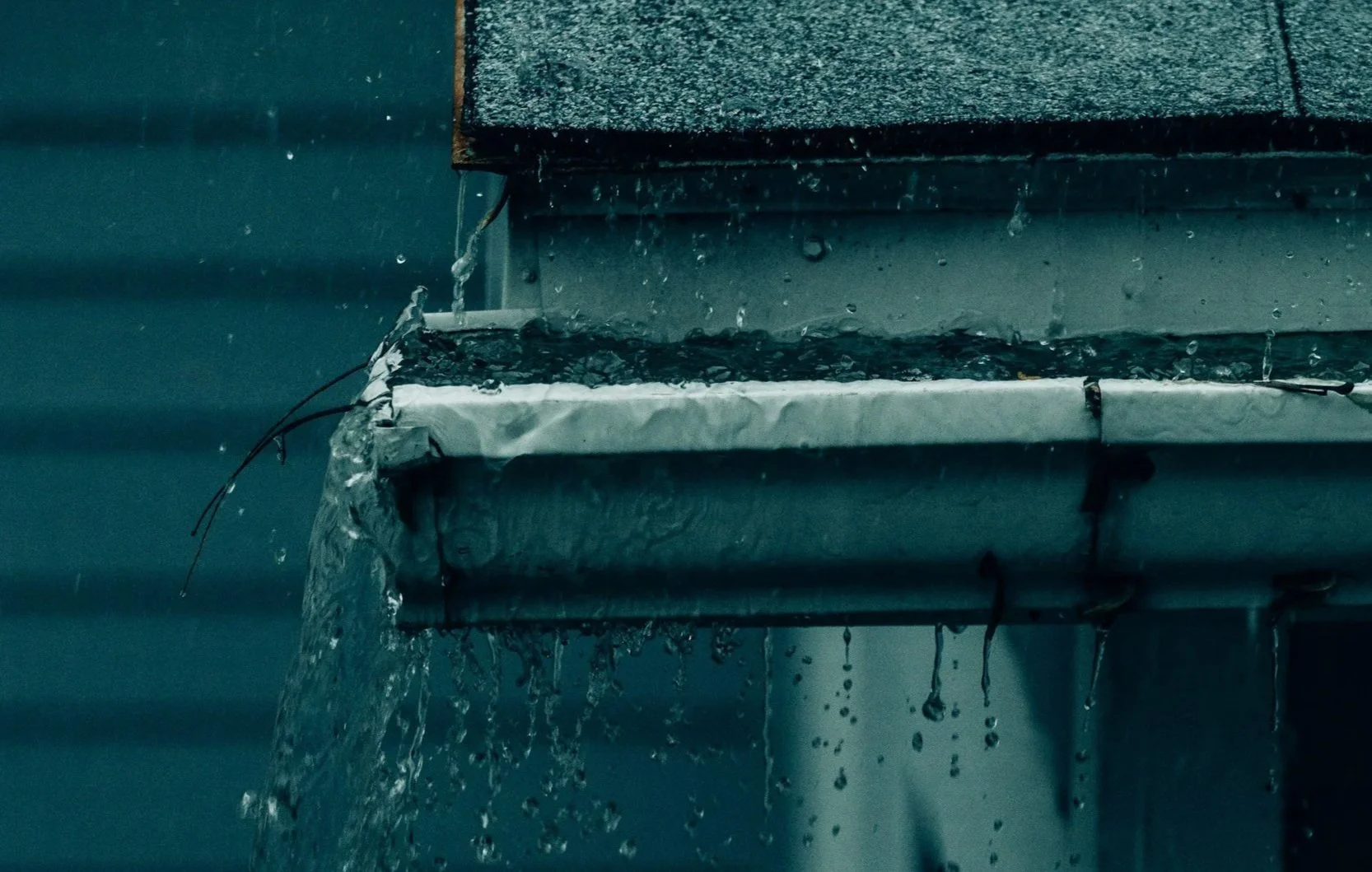
Overflowing gutter during heavy rainfall with water spilling over the edge.
Look for:
Loose or sagging gutters
Gutters pulling away from the fascia
Overflowing water during rain events
Downspouts discharging too close to the foundation
Signs of soil erosion around the home
Proper drainage helps reduce the risk of foundation movement, basement moisture, and landscaping damage.
Watch for Signs of Moisture and Mold
High humidity levels are common throughout Maryland summers. Inside the home, humidity should ideally be maintained between 30% and 50%. When indoor humidity consistently rises above 60%, conditions become more favorable for mold growth and other moisture-related issues. In the right conditions, mold can begin growing within 24 to 48 hours.
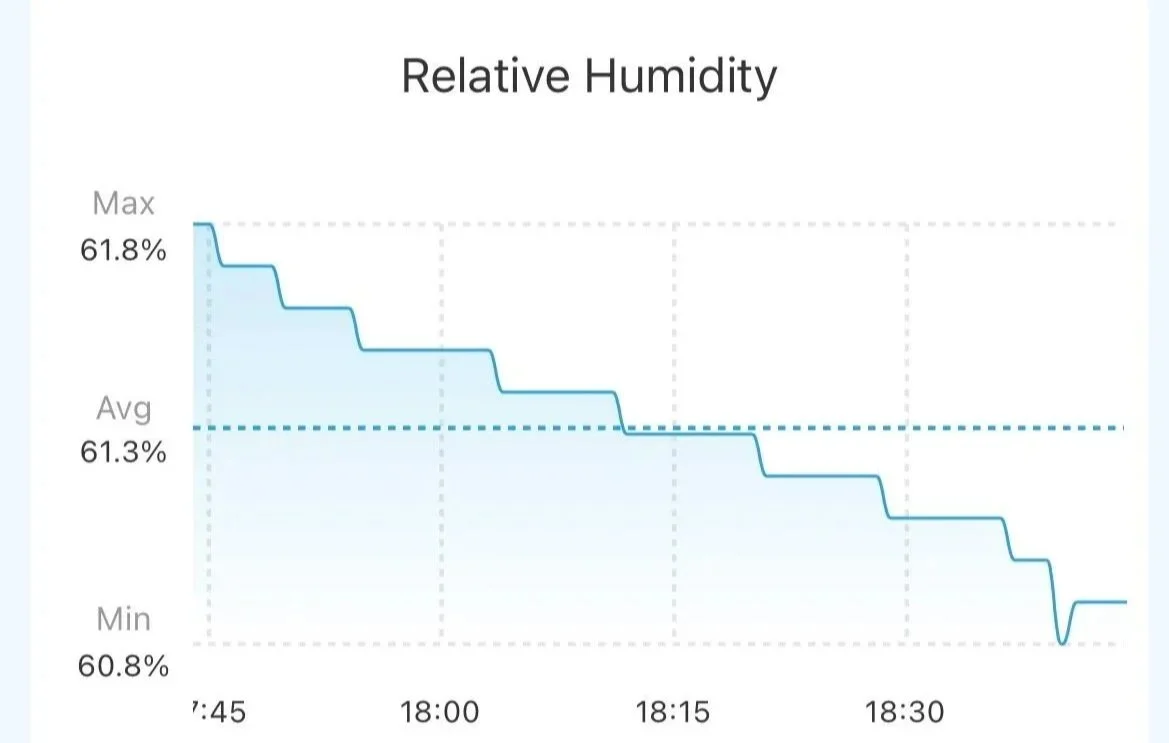
Screenshot from the Govee Thermo-Hygrometer app.
Areas that deserve extra attention include:
Basements
Crawlspaces
Attics
Bathrooms
Laundry rooms
Around HVAC equipment
Common warning signs include:
Musty odors
Visible staining
Discoloration on surfaces
Condensation on windows or pipes
Elevated indoor humidity levels
Monitoring indoor humidity with a simple hygrometer can help identify potential moisture concerns before they lead to mold growth or material damage. If indoor humidity regularly exceeds 60%, additional ventilation, dehumidification, or further investigation may be warranted.
Inspect the Roof After Storms
Summer storms often bring strong winds, hail, and heavy rain. Even minor roof damage can allow water intrusion if left unaddressed.
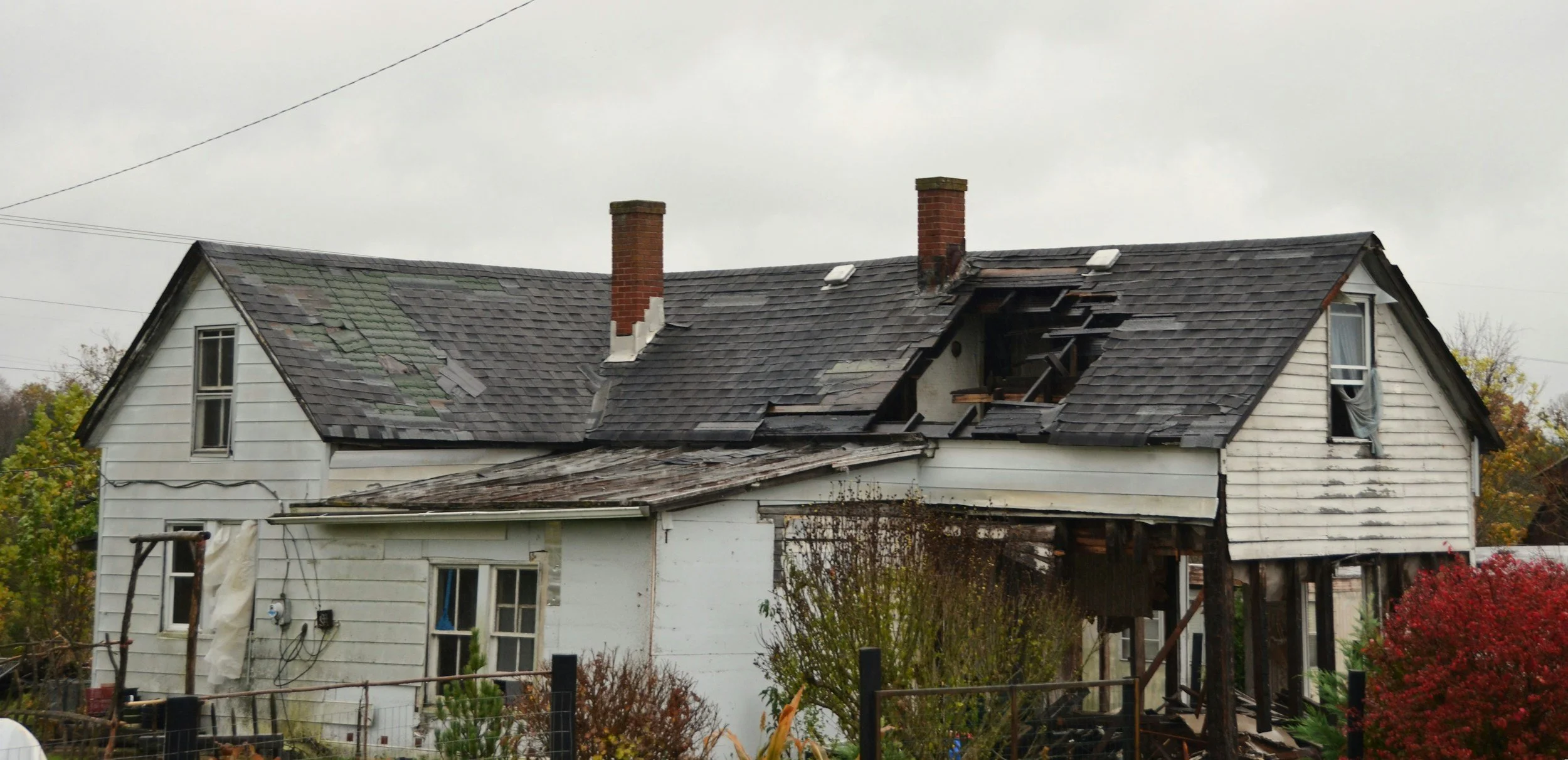
House with roof damage.
Homeowners should look for:
Missing or damaged shingles
Lifted roofing materials
Debris accumulation
Damaged flashing
Water stains on ceilings or in attics
A roof that appears fine from the ground may still have storm-related damage that warrants further evaluation.
Examine Exterior Caulking and Sealants
Sun exposure and temperature fluctuations can cause caulking to dry out, crack, or separate from building materials.
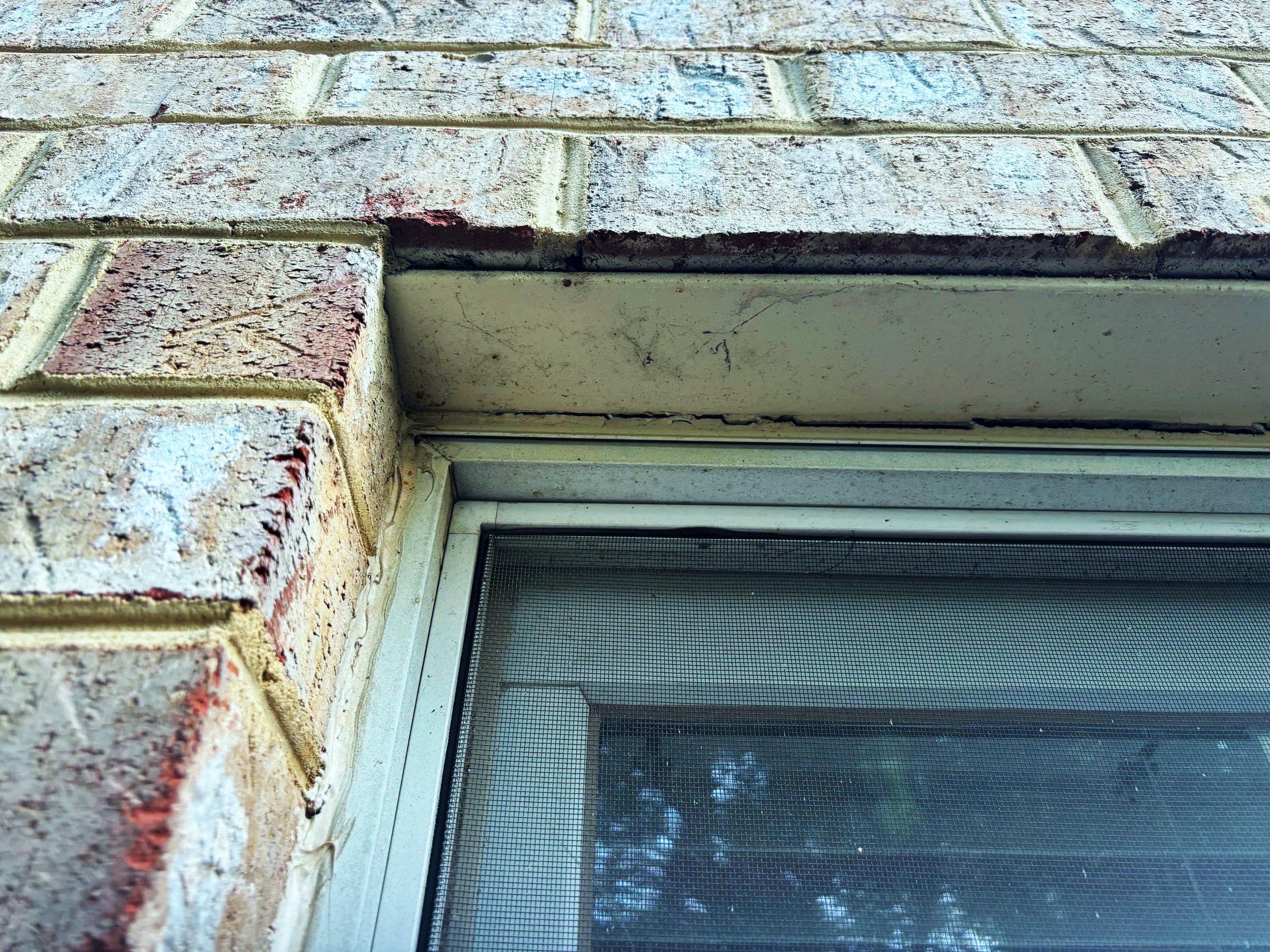
Window with cracked caulking.
Pay special attention to:
Windows
Doors
Exterior penetrations
Siding joints
Utility connections
Maintaining these seals helps improve energy efficiency and reduce the potential for moisture intrusion.
Monitor Decks and Outdoor Structures
Summer means more time spent outdoors, making it a good opportunity to inspect decks, porches, and stairs.

A child’s toy on a deck.
Check for:
Loose railings
Deteriorated wood
Corrosion on fasteners
Rot near structural connections
Trip hazards on walking surfaces
Addressing safety concerns before gatherings or cookouts can help prevent injuries.
Check Grading Around the Foundation
Heavy summer rains can reveal drainage problems that may not be obvious during dry weather. The ground should generally slope away from the foundation to help direct water away from the home. Areas where water pools after rain should be monitored and corrected as needed.
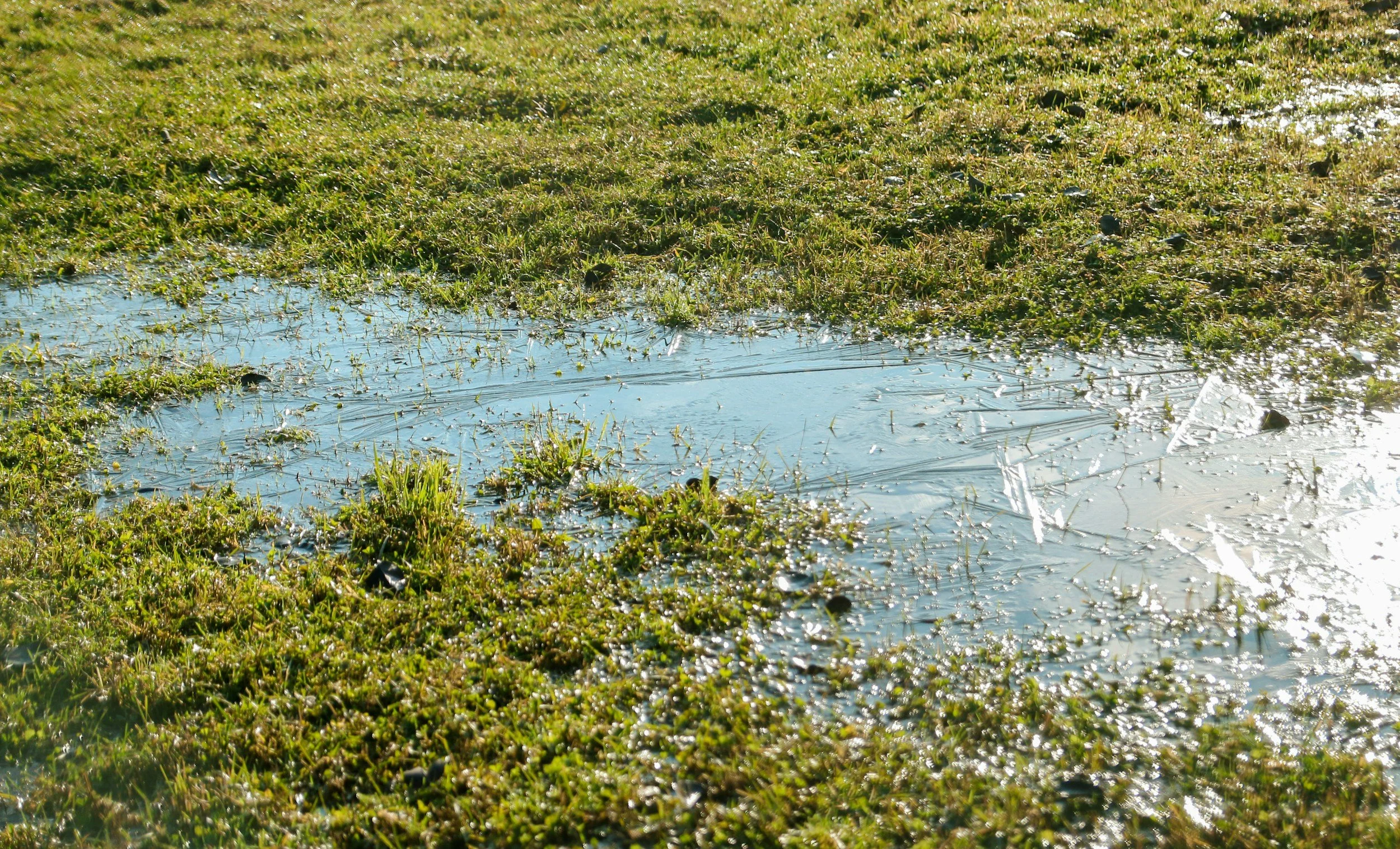
Water pooling in a grass yard.
Look for:
Soil that slopes toward the home instead of away from it
Standing water or puddles that remain after rainfall
Areas of soil erosion around the foundation
Mulch, flower beds, or landscaping that traps water against the home
Exposed foundation walls showing signs of water staining
Downspouts that discharge too close to the foundation
Settled areas where water collects near the home
Damp conditions in basements or crawlspaces following rain events
The ground around the home should generally slope away from the foundation to help prevent water from accumulating near the structure. Addressing grading and drainage concerns early can help reduce the risk of basement moisture, crawlspace issues, foundation movement, and costly repairs.
The Value of a Home Inspection
A professional home inspection isn't just for buying or selling a home. Many homeowners schedule maintenance inspections to identify developing concerns before they become major repairs.
A comprehensive inspection can help evaluate:
Roofing systems
Exterior components
Structural elements
HVAC equipment
Plumbing systems
Electrical systems
Moisture-related concerns
Understanding the current condition of your home allows you to plan maintenance and repairs more effectively.
Final Thoughts
Summer is the perfect time to assess your home's condition and address issues before cooler weather arrives. By paying attention to moisture management, roofing, HVAC performance, and exterior maintenance, Maryland homeowners can help protect their homes throughout the year.
If you're unsure about the condition of your home or simply want peace of mind, a professional home inspection can provide valuable insight into areas that may need attention.
Property Inspections by KJ, L.L.C. is proud to help Maryland homeowners make informed decisions through thorough, professional home inspections.
