Trees: Great Neighbors, Terrible Houseguests
Trees add beauty, shade, privacy, and curb appeal to a property. Mature trees can even increase a home's value and help reduce cooling costs during the summer months. However, when trees are planted too close to a home or are not properly maintained, they can also contribute to a variety of issues that may affect the structure and surrounding property.
As a home inspector, I have encountered tree-related conditions that homeowners may overlook until the damage has already happened. Understanding the benefits and potential risks can help homeowners make informed decisions about maintaining their property.
Great Neighbors
Before we dive into why trees can make terrible neighbors, let's first discuss why they can be good neighbors. When properly placed and maintained, trees offer several benefits to homeowners. Maryland summers can be hot, and the shade provided by mature trees can help reduce cooling costs during the warmer months.
Well-maintained trees can also enhance curb appeal and improve the overall appearance of a property's landscaping. They provide habitat for birds and other wildlife while helping to reduce soil erosion. In some cases, homes with mature trees are especially desirable because they offer privacy from neighboring properties.
While these benefits are significant, it is important to remember that trees require ongoing maintenance. Without proper care, a tree that was once an asset can quickly become a terrible neighbor.
Terrible Houseguests
Roof Damage
One of the most common issues associated with trees is roof damage.
Overhanging branches can scrape against roofing materials during windy conditions, gradually wearing away shingles and protective granules. Larger limbs can break during storms and cause significant damage to roofing, gutters, siding, and windows.
Additionally, branches that hang over a roof allow leaves, twigs, and debris to accumulate, trapping moisture and creating conditions that may accelerate deterioration of roofing materials. This buildup can also attract pests, such as ants, termites, rodents, and squirrels, which may use overhanging branches as a bridge to access the roof and eventually enter the home through small openings or vulnerable areas.
Once pests gain access, they may cause further damage by nesting in attic spaces, chewing on wiring, or worsening existing moisture-related issues.
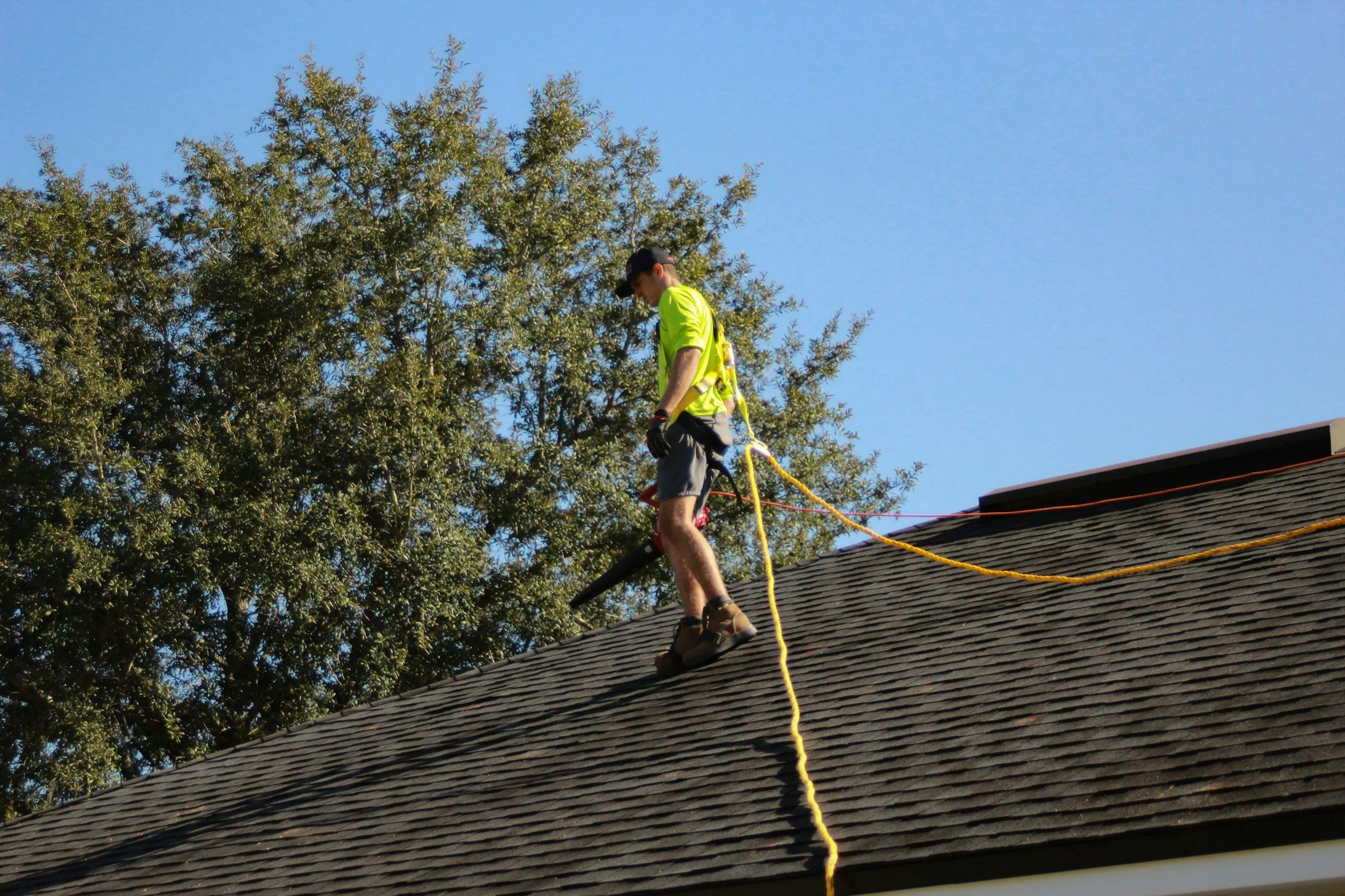
Roofer walking a roof with a large tree in the background.
What to Watch For:
Branches touching or hanging directly over the roof
Damaged or missing shingles
Excessive debris accumulation
Evidence of previous limb impacts
Gutter Clogging and Drainage Problems
Trees continuously shed leaves, needles, seeds, and small branches throughout the year. This debris often collects in gutters and downspouts.
When gutters become clogged, water may overflow instead of draining properly away from the home.
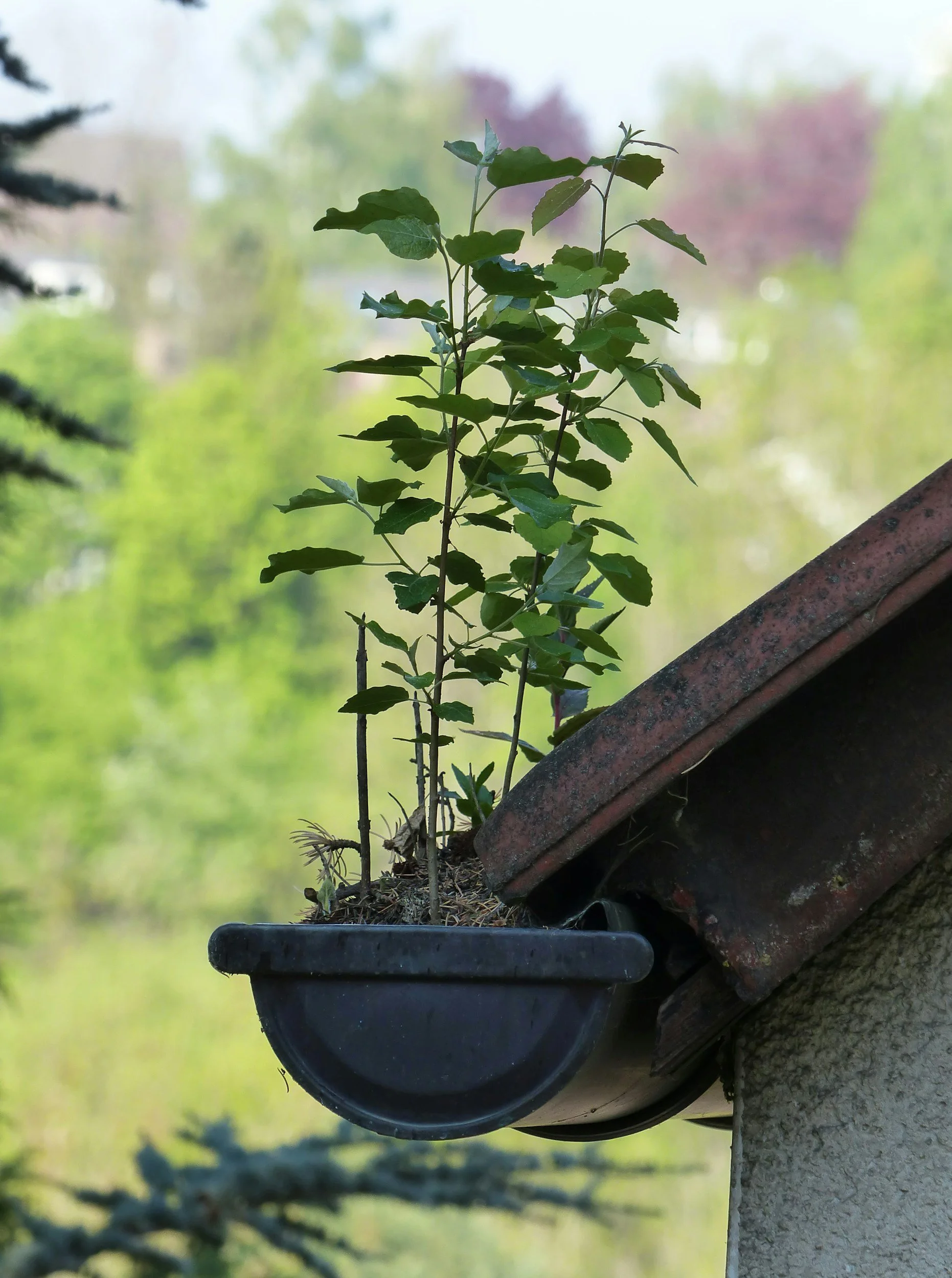
Vegetation growing out of a clogged gutter.
When gutters become clogged, water may overflow instead of draining properly away from the home. Over time, this can contribute to:
Fascia deterioration
Water intrusion
Foundation moisture issues
Landscape erosion
Premature gutter failure
Regular gutter cleaning is particularly important for homes surrounded by mature trees.
Foundation Concerns
Tree roots naturally look for moisture and can creep much farther than many homeowners realize.
Large trees planted close to a home may contribute to foundation concerns by altering soil moisture levels around the structure. In some cases, roots may interfere with walkways, driveways, retaining walls, and underground utilities.
While roots do not typically "attack" foundations, changes in soil conditions caused by root activity can contribute to movement or settlement in certain situations.
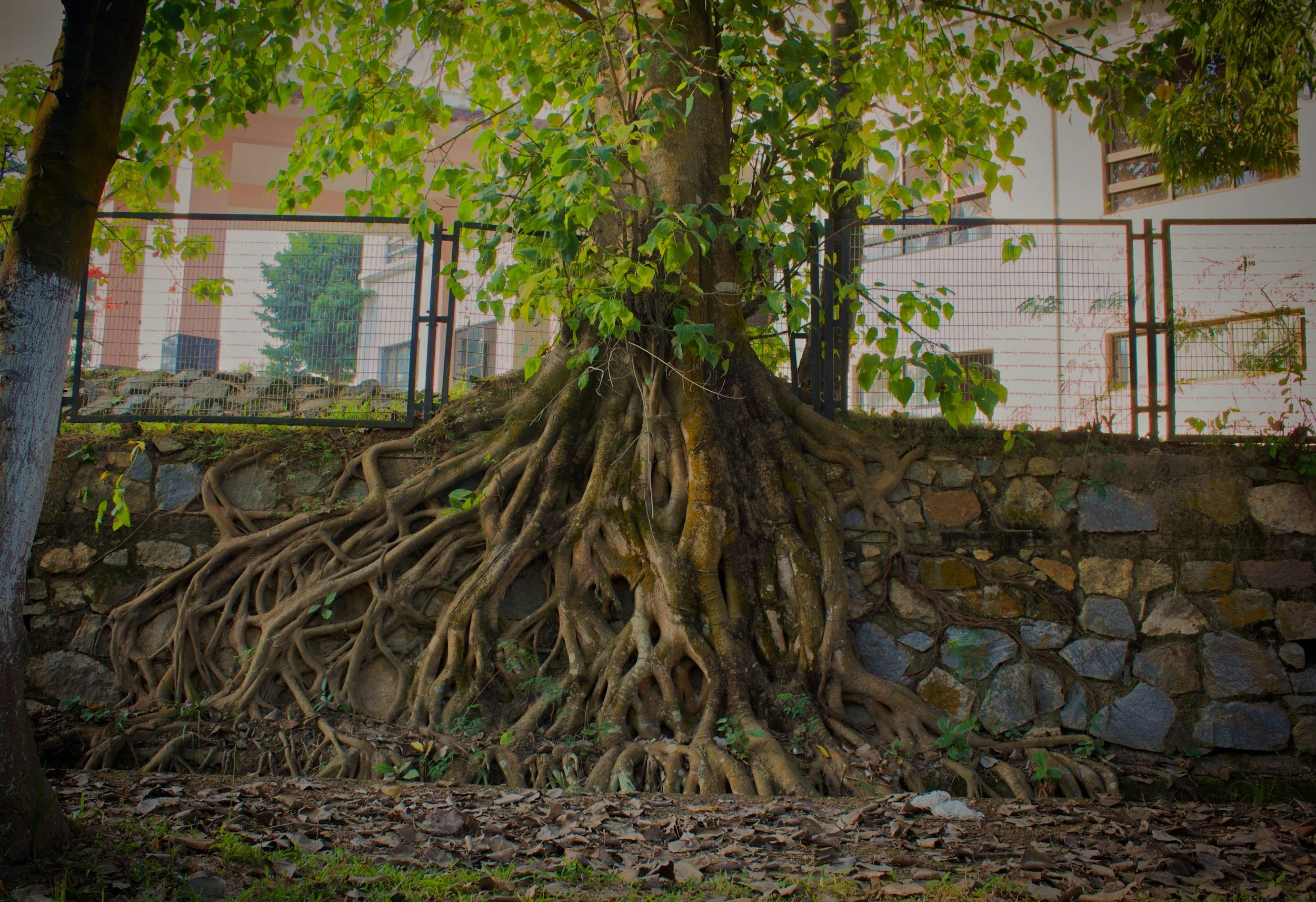
This image shows just how deep and wide tree root systems can go.
Signs to Monitor:
Cracks in sidewalks or driveways
Uneven concrete surfaces
Soil displacement near the home
Foundation cracks that appear to be expanding
Moisture Retention and Exterior Deterioration
Dense vegetation located close to a home can restrict airflow and prevent exterior surfaces from drying properly after rain or morning dew.
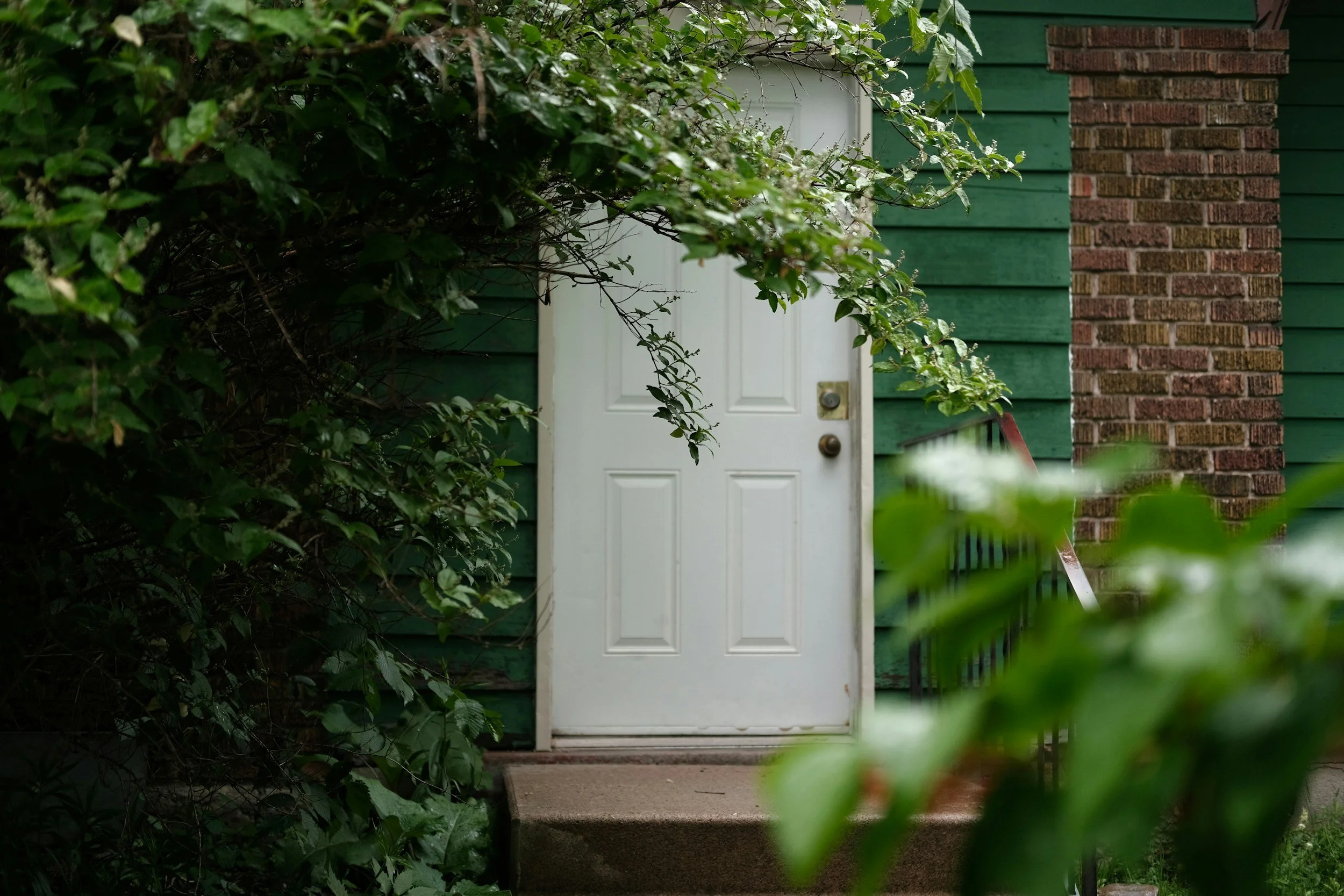
Vegetation growing too closely to a house.
Prolonged moisture exposure can contribute to:
Wood rot
Mold or mildew growth
Siding deterioration
Pest activity
Accelerated exterior wear
Trees and shrubs should be trimmed to allow adequate airflow and sunlight around the home's exterior.
Recommended Clearances
Although every property is different, maintaining adequate clearance between trees and the home can help reduce the likelihood of damage.
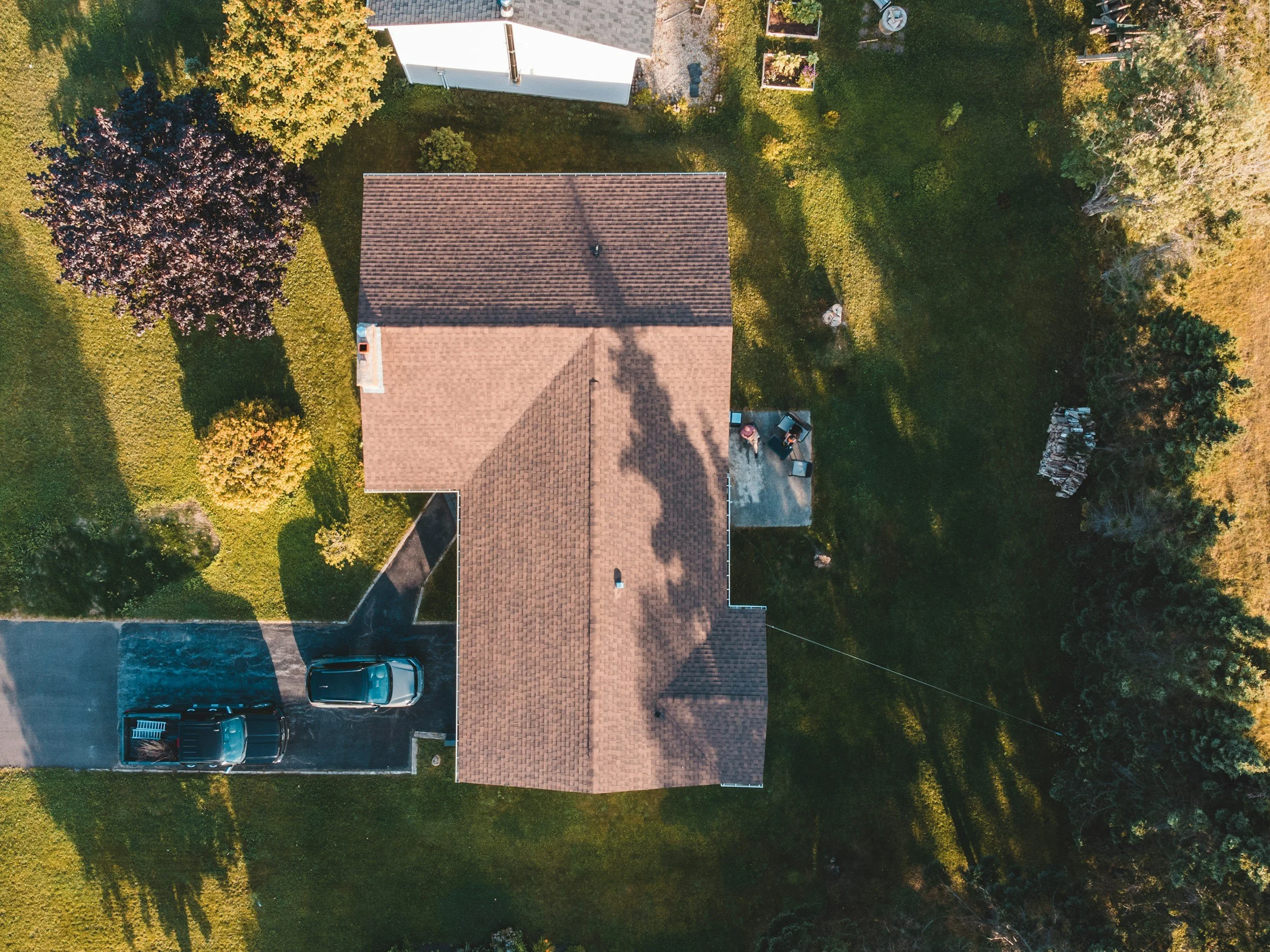
Aerial view of a house with adequate clearance.
General recommendations include:
Keep branches at least 6 to 10 feet away from the roof whenever possible.
Trim limbs away from chimneys, siding, and windows.
Monitor large trees planted near foundations, driveways, and utility lines.
Remove dead, damaged, or diseased branches promptly.
Schedule periodic evaluations by a qualified arborist when mature trees show signs of decline.
Final Thoughts
Trees are one of the most valuable features a property can have, but they require proper care and maintenance. Routine trimming, monitoring for signs of damage, and maintaining adequate clearance from the home can help homeowners enjoy the benefits of mature trees while minimizing potential risks.
During a home inspection, tree-related concerns are often identified as conditions that may warrant maintenance or further evaluation. Addressing these issues early can help prevent more costly repairs down the road.
A little preventive tree maintenance today can go a long way toward protecting your home tomorrow.
Safety Disclaimer: The information provided in this article is intended for general educational purposes only and should not be considered a substitute for a professional evaluation. Homeowners should exercise caution when inspecting, trimming, or removing trees, especially when working at heights or near power lines. If you have concerns about the condition of a tree or its impact on your home, consult a qualified arborist, contractor, or other appropriate professional. Always follow proper safety practices and manufacturer recommendations when performing any home maintenance activities.
