Spring Into Safety: Why Radon Testing is Important This Season
As winter thaws into spring, many homeowners are thinking about spring cleaning, but have you thought about radon testing? Radon levels can increase during seasonal transitions, making spring the perfect time to ensure your home is safe. Understanding radon, its risks, and how testing works can help protect your family.
What is Radon?
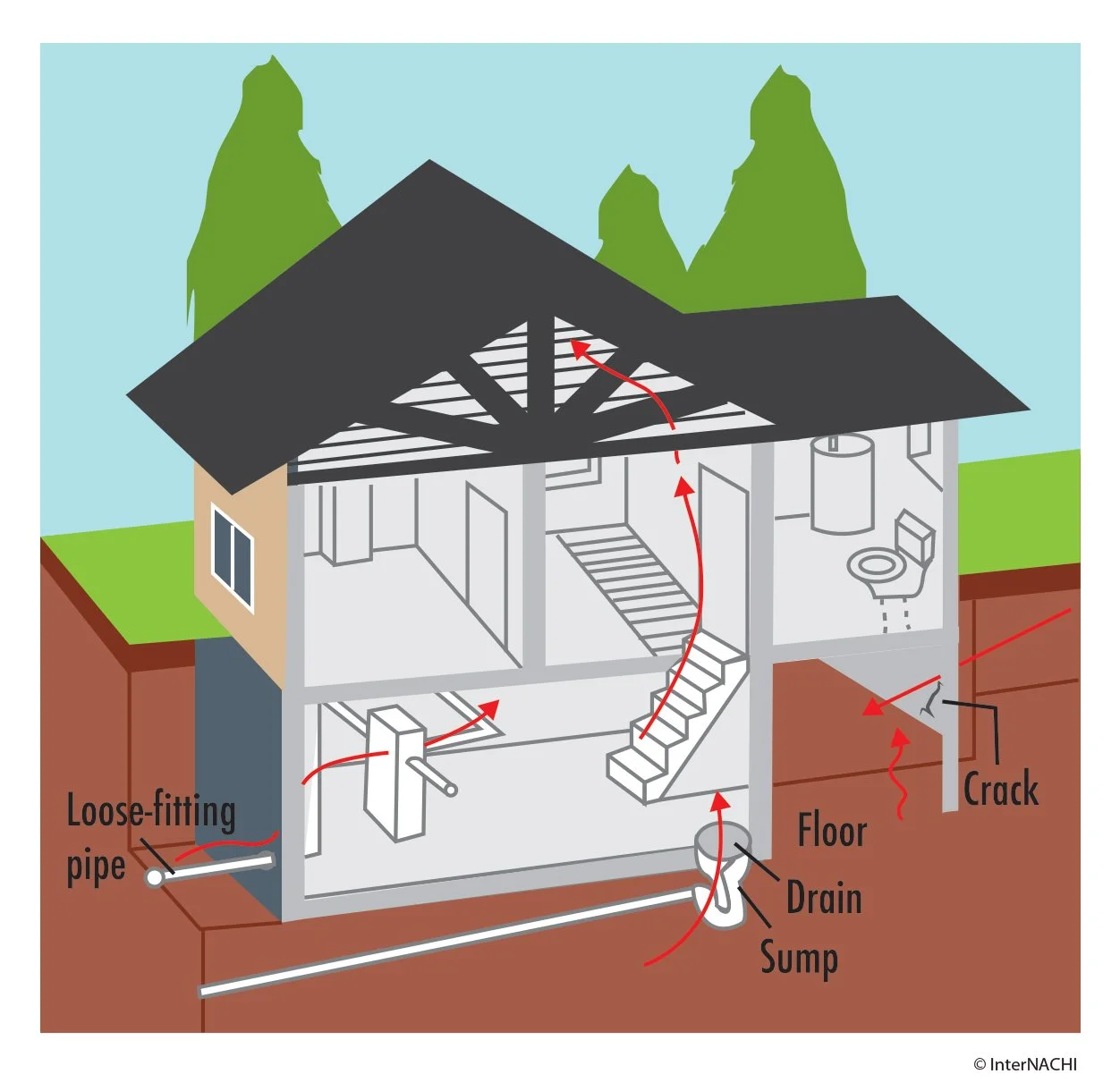
Radon is a naturally occurring radioactive gas produced from the breakdown of uranium in soil, rock, and water. It can enter homes through cracks in the foundation, gaps around pipes, crawlspaces, and sump pits. Because radon is colorless, odorless, and tasteless, the only way to know your exposure level is through testing.
Why Radon is Dangerous
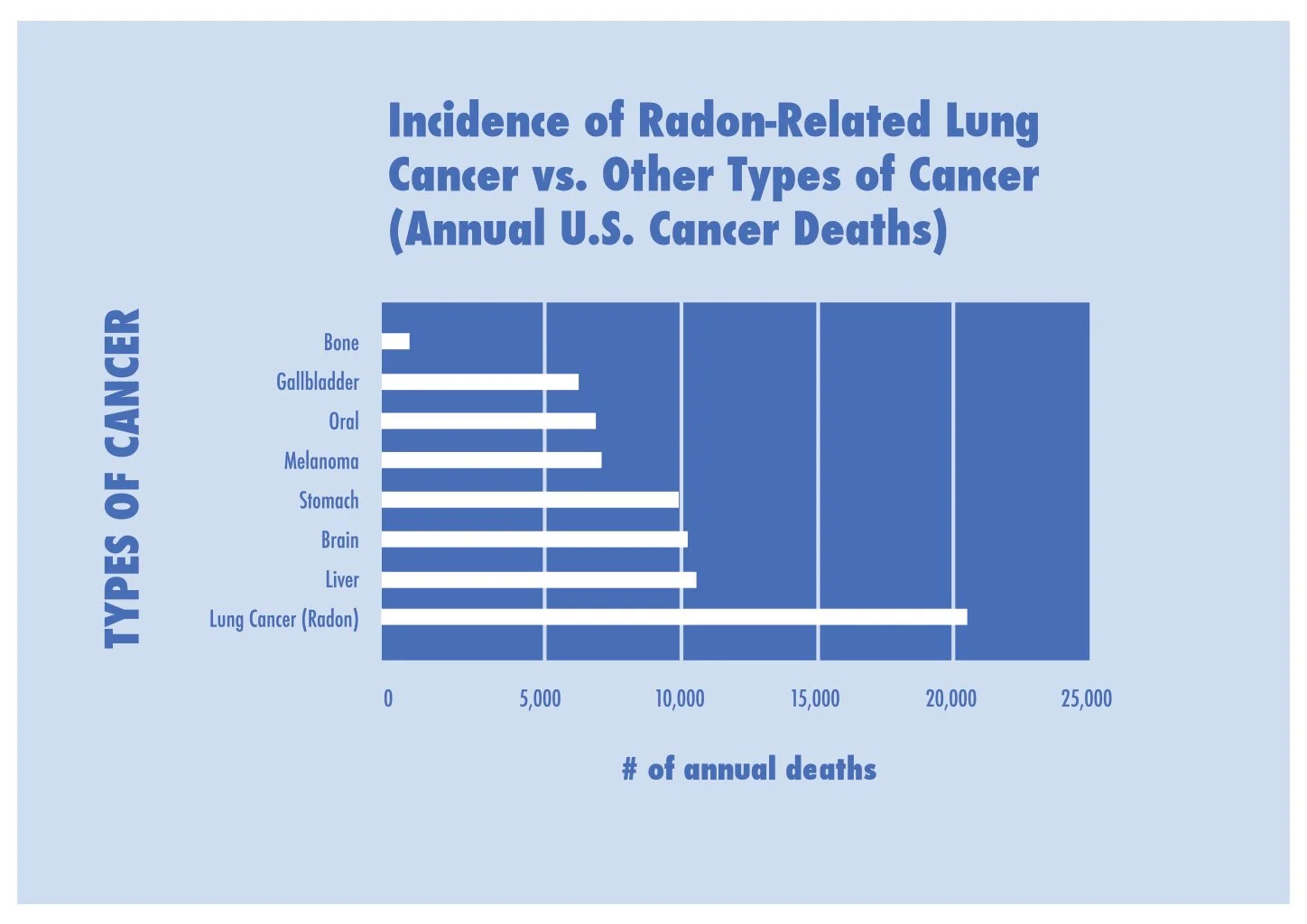
It is not radon gas itself that causes harm, but its radioactive decay products, which can attach to dust particles in the air. When inhaled, these particles can damage lung tissue over time and significantly increase the risk of lung cancer. According to the U.S. Environmental Protection Agency, radon is the second leading cause of lung cancer in the United States, second only to smoking.
Seasonal Effects on Radon Levels
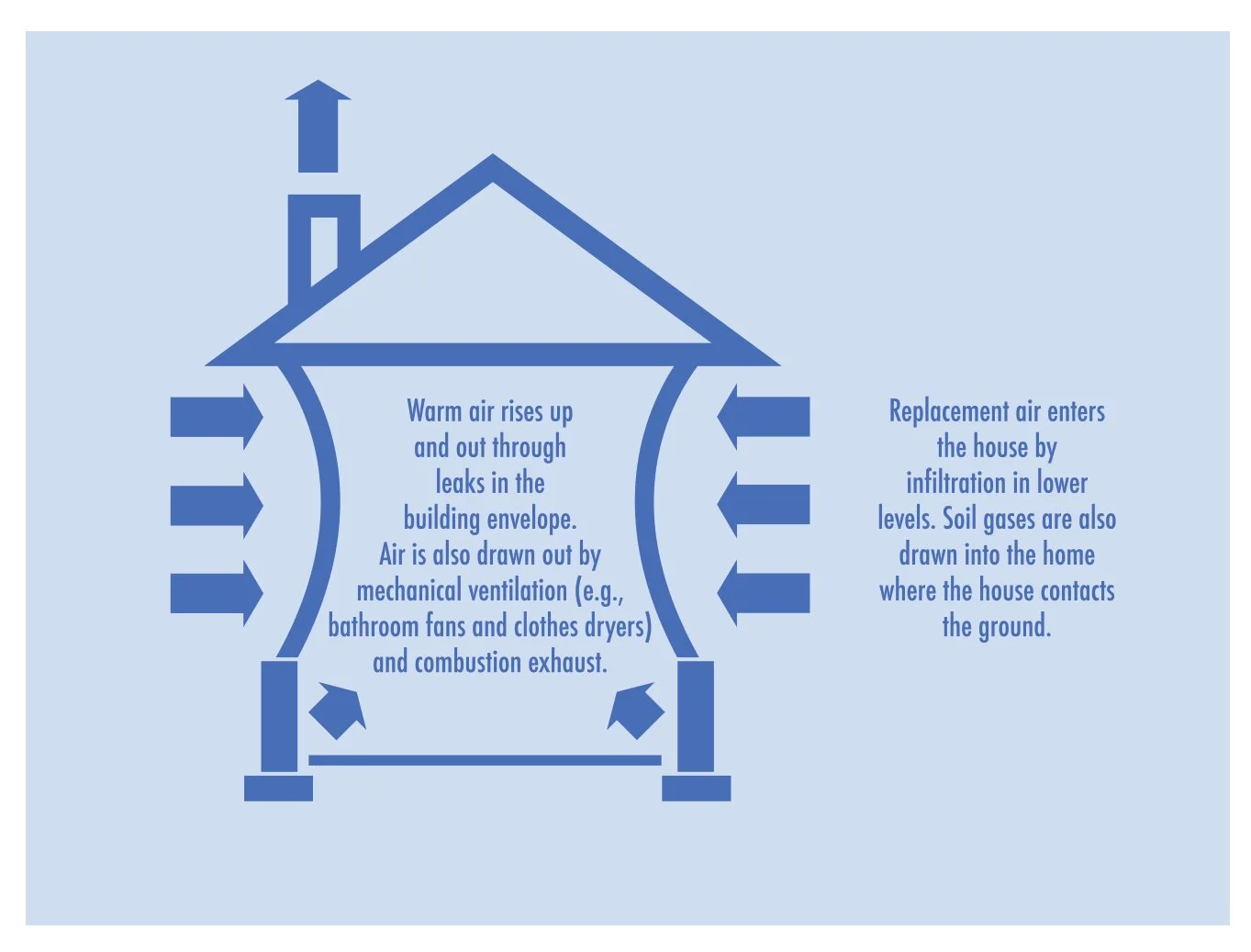
Radon levels in homes can fluctuate throughout the year. During winter, homes are tightly sealed to conserve heat, which can trap radon indoors. In spring, as the ground thaws and air pressure changes, radon from the soil can more easily enter homes. These seasonal shifts mean that spring is an ideal time for homeowners to test, ensuring levels are safe as they open windows and air out their homes.
How Radon Testing Works
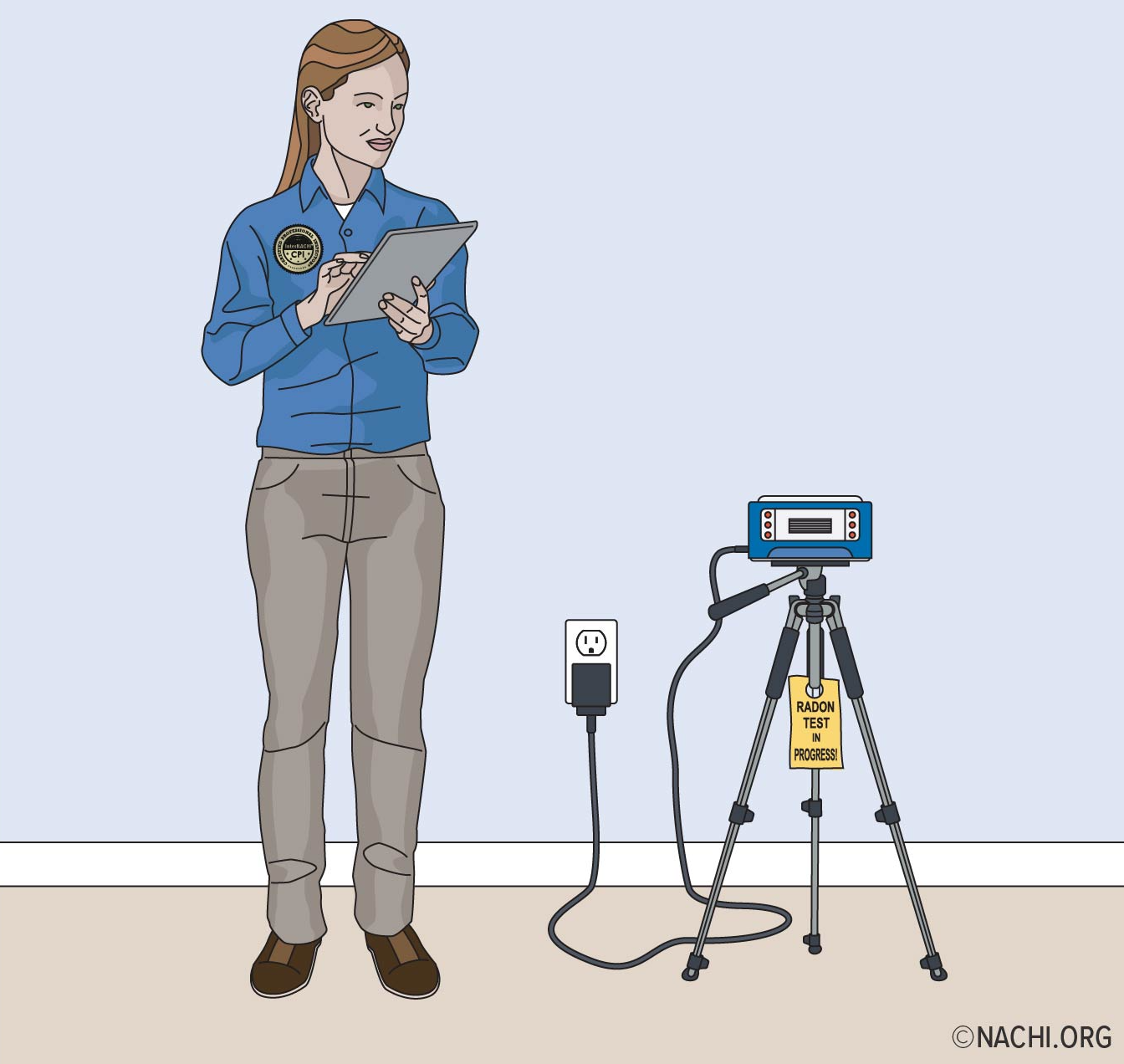
Testing your home for radon is straightforward. There are short-term and long-term testing methods. Short-term tests typically last a few days to a week and provide quick results. Long-term tests, conducted over several months, give a more accurate picture of average radon exposure. Testing is the only reliable way to determine radon levels and understand if mitigation is necessary.
Taking Action This Spring
Seasonal transitions make spring a crucial time to test your home for radon. Professional testing is the most reliable way to ensure safe levels and protect your family from long-term health risks. Whether you are in a newer home or an older residence, testing this season can help you take proactive steps for a safer living environment.
Conclusion
Radon is an invisible, seasonal threat that every homeowner should be aware of. Testing your home in spring provides essential information about your household’s safety and allows you to take effective action if necessary. Protecting your home now ensures peace of mind for you and your family for years to come.
