4 Simple Preparation Steps for a Smooth Home Inspection
Why have an inspection before listing your house?
Sellers may automatically anticipate that their home will have no issues upon a potential buyers residential inspection. After all, if everything functions on the surface, it becomes easy to assume that the home is market ready. It might appear that way, but there might be hidden, less visible items that could delay closing. These unexpected findings can sometimes cause a seller to incur more unexpected costs in repairs or could potentially lead to a buyer walking away altogether.
By utilizing a pre-listing inspection, a seller can gain an advance overview of the home's visible and accessible condition, helping to better prepare them for the market. In this post, I am going to highlight common scenarios observed in the industry. It does not go without recognizing that every real estate transaction, insurer, and local municipality may operate under different guidelines an requirements. This does not guarantee sale.
Let’s talk GFCI.

An image of the time it took to trigger the GFCI breaker after testing.
A common scenario that inspectors may come across in the field, especially in older homes, is the absence of a Ground Fault Circuit Interrupter (GFCI) protection in areas near moisture.
In an effort to help the seller better understand why this may be flagged on a report, it might help to describe what a ground fault is. A ground fault occurs when electrical current accidentally escapes it's designated pathway. The rogue electricity then flows into a secondary surface, like water or a damp floor. In a worst case scenario, the stray electricity can travel through a person. This could typically be the result of damaged wiring or a faulty appliance.
GFCI outlets are designed to act as a monitor, if a properly functioning receptacle detects even the slightest imbalance (electricity is escaping to where it shouldn't) the GFCI will cut the power in milliseconds to help prevent severe shock. Please note that this applies if the device is installed correctly; for safety and compliance, I always recommend contacting a licensed electrical contractor for any installation or evaluation.
Are you shocked? I sure hope not!
A buyer's home inspection report most often categorizes missing or non-functioning GFCI receptacles as safety related findings. This can cause concern for first time home buyers or anyone unfamiliar with electrical components. When this happens, sometimes a buyer might request further evaluation from a qualified or licensed electrical contractor. This causes potential delays and taking some negotiating control away from the seller.
Areas that routinely require GFCI protection include: kitchens, bathrooms, garages, unfinished basements, crawl spaces, anywhere near a sink and outdoors.
Your home may be considered technically compliant due to previous construction guidelines. However, residential home inspections routinely evaluate properties against widely recognized safety benchmarks. Proactively updating these specific areas to GFCI protection is a safety consideration that can help mitigate any potential buyer friction.
Clearing the Path.

A window blocked by a large pile of boxes and personal items.
Another situation that residential home inspectors may encounter is having their access to critical areas and/or components of the home blocked. It isn't uncommon to find furniture, clothes hanging, personal storage boxes, or heavy shelving blocking access to components such as electrical panels, windows, attic hatches, and crawl spaces.
Home inspectors are not permitted to move a seller's personal belongings or furniture to gain access to a component. This protects us and your belongings. If an inspector comes across this situation, they may mark the area as inaccessible/ not inspected in the final report.
Access Denied.
By leaving these areas blocked off or inaccessible, it can create a chain reaction of events late in the real estate transaction. When and if a buyer reads a report that states major structural or mechanical areas of the house were not evaluated, they may become concerned. They will almost always request that these areas be made accessible so that the inspector can come back and perform a secondary inspection.
This can become a problem in the transaction if on the secondary inspection, the inspector uncovers a latent defect that was hidden from the visible inspection. Since these findings occur late in the transaction, delays may arise and once again negotiating control is taken away from the seller.
Providing a clear, unobstructed path to every access panel, hatch, and utility system before the inspection will aid in providing a smooth transaction.
Nature Getting Too Close?

Ivy growing up the side of what appears to be a structural brick wall.
Most of us enjoy a very green yard. It invites all kind of beauty into our daily routines. It is not uncommon for an inspector to come across a home with heavy vegetation growing in direct contact with the exterior of the home. This could be tree branches scraping against roofing materials, or thick bushes brushing up against siding. One common type of vegetation I have witnessed is ivy growing up foundations and the sides of buildings. While this is visually appealing to some, you may be inviting pests and moisture into your home.
Residential home inspectors evaluate the visible exterior of the home. Dense foliage physically prevents a clear view of critical materials. I have personally came across incidents where overgrown vegetation covered the exit point of a downspout. The downspout did have the proper extension away from the foundation, but it was disconnected.
Rooting around for trouble.
Leaving overgrown vegetation unmanaged, can hide moisture conditions that may surface later in the transaction. A lush, green wall of decorative ivy just might look appealing, it can trap and hide moisture against the siding or roofing materials. This can also accelerate and provide entry for wood destroying organisms.
Landscaping that is done strategically can be highly beneficial to maintain property drainage and preventing erosion. However, if planted too close to a property's foundation, then unintended consequences may occur. Tree roots that grow aggressively close can cause cracking in sidewalks or driveways. They can also trap moisture in pockets underground and against foundation walls. This can contribute to hydro-static pressure and the bowing of foundation walls. Roots may also pose a risk to sewage drainage, leading to hidden blockages.
This can become a problem in the real estate transaction when a buyer's inspector notes that overgrown foliage is masking structural elements or creating moisture hazards. Upon taking a close look or subsequent trim of the foliage shows any hidden damage to the home, then the buyer may become concerned. Unexpected repair costs or delays may occur , and once again taking away negotiating control from the seller.
Trimming vegetation away from the roof-line and clearing thick bushes from the siding before the inspection will help clear the path for a much smoother transaction.
It’s still got life in it... or does it?
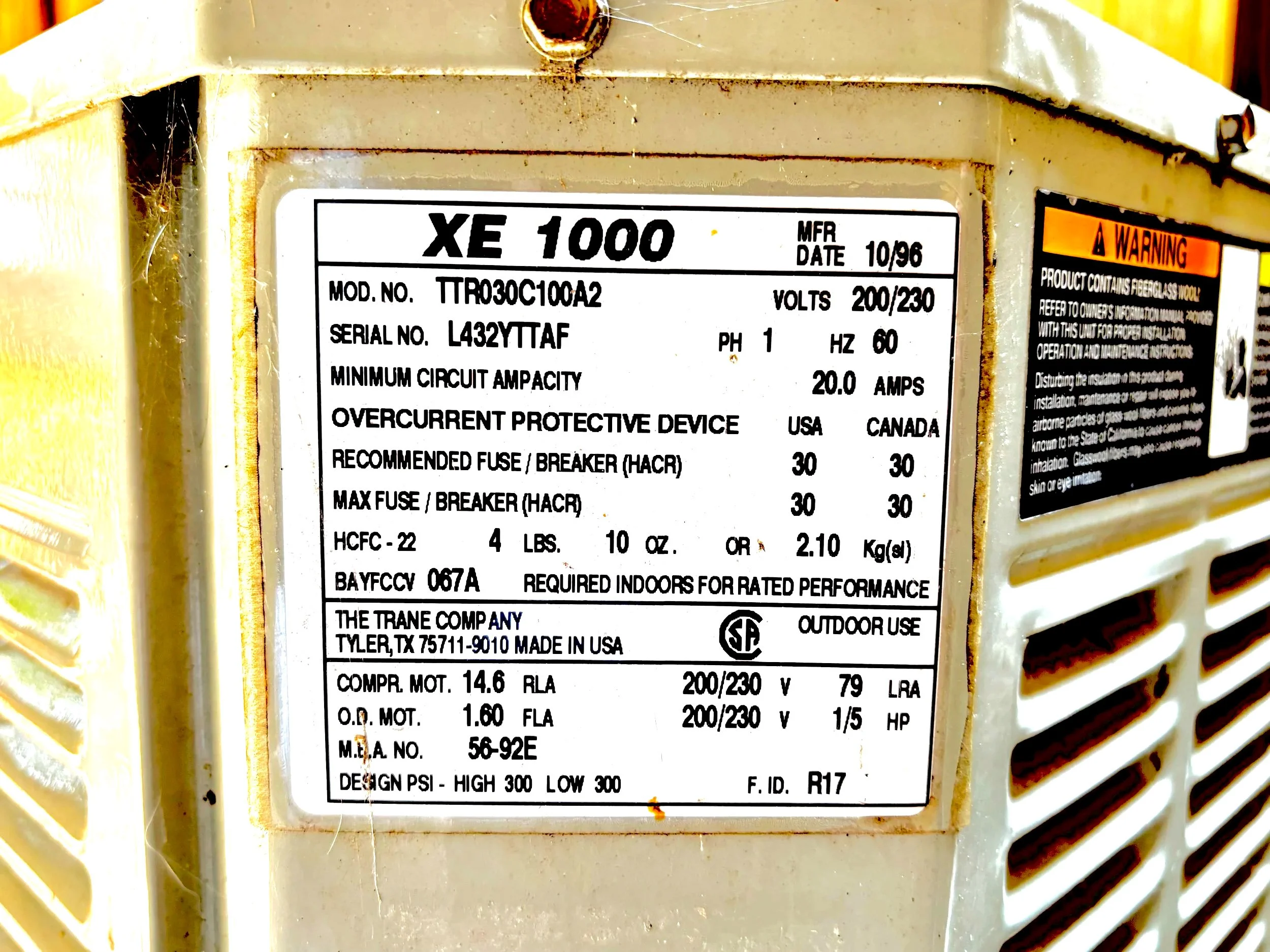
This house was built in 1996 and still has the original unit. The manufacture date is listed in the top right corner.
Another scenario that residential home inspectors look closely at is the age and condition of major mechanical systems. This may include home systems like water heaters, furnaces, and AC units. It is common for an inspector to find a system is functioning just fine on the day of the inspection, but then a quick check of the serial number reveals it is well past its typical life expectancy. That does not mean it is necessarily a defect, but the buyer may need to anticipate for replacement or they can potentially negotiate the item during the transaction.
Home inspectors evaluate the current operational status of these systems on the day and at the time of inspection. It is very important to recognize that inspectors do not issue any warranties or predict the life a system has left.
Running on borrowed time?
Having an aging mechanical system remain unaddressed or un-budgeted for can create obstacles later on in a real estate transaction. Even if a buyer is perfectly comfortable buying a home with an older water heater, their insurance company or mortgage lender might not be.
Many property insurance carriers might look closely at system ages when underwriting a new policy. If a water heater or roof exceeds certain internal guidelines set by an insurer, then an insurer can potentially decline to issue coverage. Because a lender requires active insurance to fund a loan, this can cause a sudden financing delay days before closing.
Friction with the buyer and the transaction process may occur. Once again negotiating control is taken away from the seller.
Knowing the age of your systems beforehand allows you to address replacements on your own timeline. This helps keep the sales process predictable.
Disclaimer / Scope of Post: The information provided in this blog post is for educational and general informational purposes only. A home inspection is a non-invasive, visual evaluation of the accessible components of a property at a specific point in time. It does not constitute a warranty, an insurance policy, a legal opinion, or a guarantee of future performance for any component or system. Building codes, lender requirements, and insurance guidelines vary by region, era of construction, and company policy.
