Why Your Maryland Home Deserves an Annual Maintenance Checkup
Shifting from Reactive Repairs to Proactive Protection
The average individual uses annual routines keep their lives running smoothly. Some may schedule annual checkups with the doctor to catch any potential health issues early. Some may see a dentist for routine dental maintenance. Some may take their cars to the mechanic to avoid costly repairs.
So, why do we treat one of our biggest assets any differently?
Many homeowners only reach out to an inspector when buying a house or, even worse, when something breaks. An annual home inspection gives you a clear understanding of where your home sits, year after year. Plus, should you decide to sell your house down the road, you will have thorough documentation of how well the property was maintained.

Spray painted image of “WHY NOT”.
Helps Identify Signs of Concern Early
A home inspection might not reveal every single concealed defect or hidden issue that may be hiding or lurking behind walls and ceilings. Yearly inspections can help a homeowner focus on areas that they may ignore or forget about. These areas may also be inaccessible to the homeowner due to physical limitations. Examples of these spaces include crawl spaces and attics. Having an annual inspection takes the guesswork and physical work out of your hands.
For example, I recently found a slow leak from a loose pipe boot. Moisture had begun leaking down into the blown-in insulation and through the ceiling. While evidence of organic growth was not present at the time, this is another potentially costly symptom that could have developed. This is something that could potentially have been caught with an annual maintenance inspection. During one of these inspections I will look for clues in open, accessible areas to help address these conditions prior to major repair bills.

A black spiral notebook with the word PLAN across the top. A pen located to the right of it.
It Minimizes Financial Surprises
Like most things, nothing lasts forever. Several components contribute to a home's longevity. Even with proper maintenance, systems can ultimately meet their demise. For example, the standard 3 tab asphalt shingle can be found with a warranty of up to 20 years (with proper installation and maintenance). In contrast, dimensional shingles, can generally last 25 - 30 years.
You may wonder why I mention this? Well, upgrading your roof may become especially important if you have three tab shingles. Not only are they harder to find, but insurance may take issue with this material. Since they generally last 15 - 20 years, you may also find yourself replacing the roof twice within the potential lifetime of architectural shingles. I check for visible leaks or system wear to help keep you informed about your home's condition.

A small glass filled with loose change.
It Lowers Your Utility Bills
If major systems are neglected or ignored, they might have to run harder to effectively work. Not only can this lead to quicker degradation, but potential issues such as dusty HVAC coils, leaks, clogs, or degraded insulation cause an increase in energy bills. During a routine checkup, I look for these visible efficiency drains so you can address them and remain informed on the condition of your house.
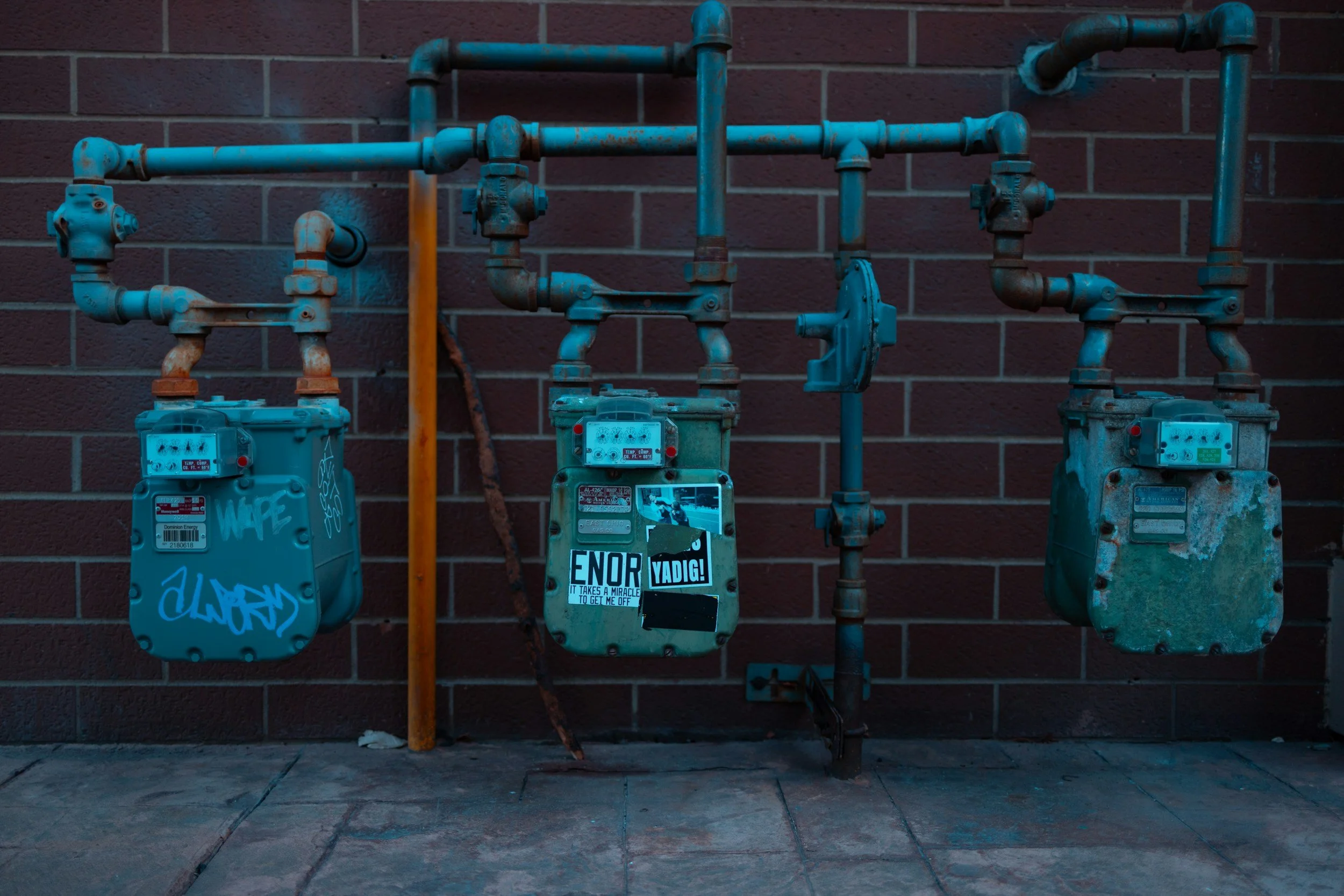
Utility meters with graffiti and stickers. Placed in front of a brick wall.
It Builds a Living Maintenance History
Having a documented history of your home's health can be beneficial down the road. If you ever make the decision to sell it, you can show prospective buyers a detailed history of the property's visible condition during the course of your ownership, including pictures of systems for reference. Having this can build buyer confidence and potentially ensure a smooth transaction.
Annual inspections can also be clutch for out-of-state or out-of-country investors. Having someone that you can trust to monitor the visible condition of your investment can help ease your mind.

A stack of binders.with a white background.
